
The Grudge — Episode 7 Silence Before the Storm
The Grudge — The Rivalry Between Peter Sellers and Alfred Hitchcock
The conflict at the center of this chapter emerged not from spectacle or scandal, but from a shared devotion to craft. What began as admiration between two towering creative forces—each celebrated, each singular—slowly shifted into tension, resistance, and a divide so deep it would reshape the final act of their collaboration.
Their story is not simply about a visionary filmmaker and a mercurial performer working side by side—it is about how instinct, discipline, and the pursuit of artistic truth can turn partnership into fracture. As their project unfolded, the methods they once believed could coexist began to collide: spontaneity against precision, intuition against control, freedom against structure. The questions they chased together led them toward opposing convictions neither was willing to surrender.
This is the grudge that captivated audiences across continents, fueled debate about creativity, authority, and the psychology of performance, and left a legacy defined as much by their rupture as by the brilliance that first brought them into the same room.
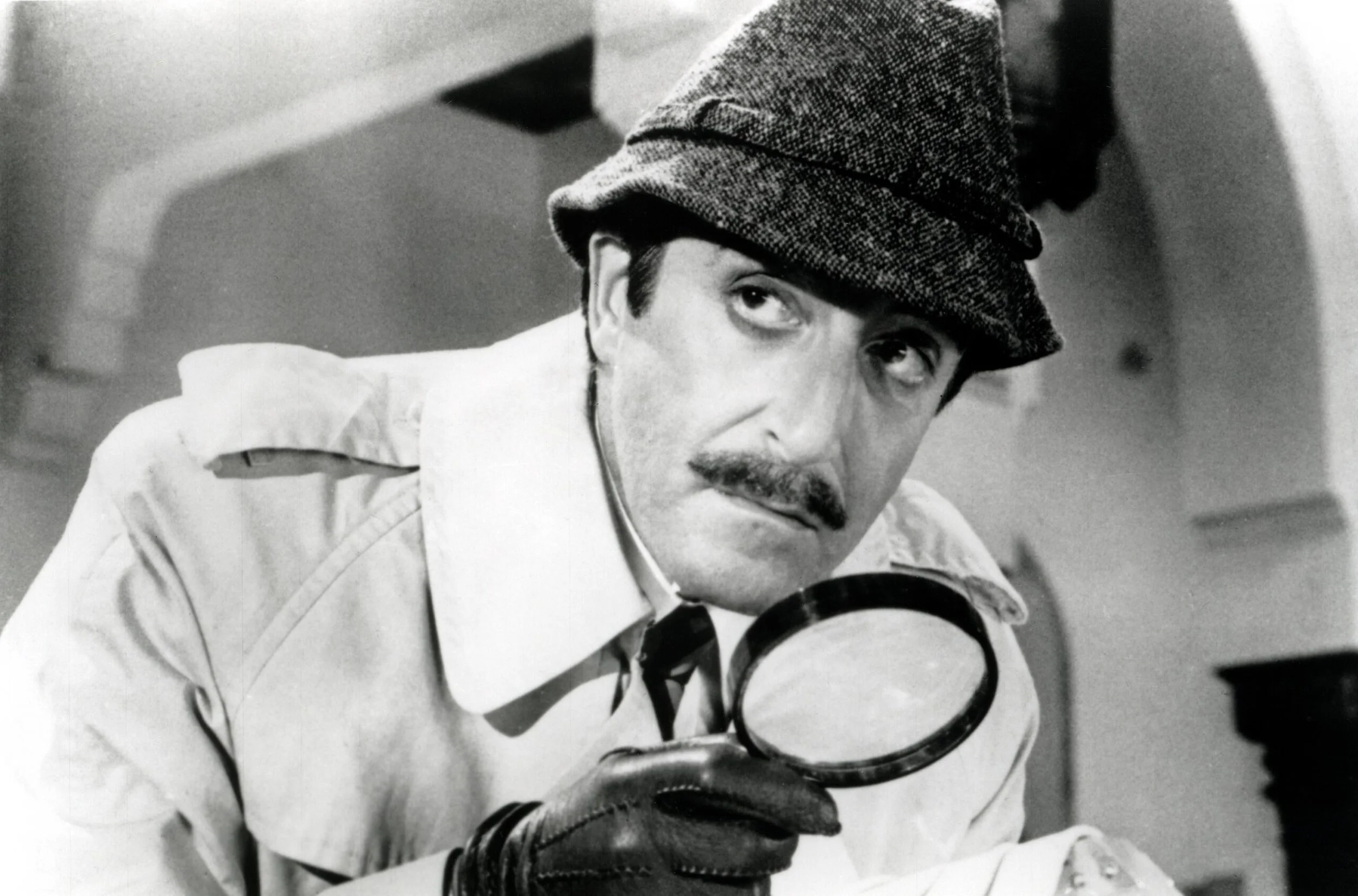
Peter Sellers — A Life in Layers
Peter Sellers (1925–1980) was one of the most mercurial and inventive performers of the twentieth century—a figure whose genius lay in his ability to disappear completely into the characters he created. Born in Southsea, England, he began his career in radio comedy before moving into film, where his chameleon-like talent transformed him into a global icon. Sellers could be absurd, tragic, or terrifying—often all within the same performance. His range defied categorization, and his pursuit of perfection often mirrored the very contradictions that defined his life.
A Lifeline of Transformation
Early Spark: Raised in a family of performers, Sellers joined the BBC’s The Goon Show, where his mastery of voice and timing first drew national attention.
Cinematic Breakthrough: His leap to film brought unforgettable roles in The Ladykillers, Dr. Strangelove, and Being There, each revealing a different facet of his restless creativity.
Artistic Duality: Behind the humor lay a deep introspection—an artist torn between control and chaos, precision and spontaneity.
Legacy: Sellers’ influence endures not only through his performances but through the way he redefined what it meant to inhabit a role completely.
The Role in This Photograph
In this image, Sellers embodies Inspector Jacques Clouseau, the bumbling detective from The Pink Panther series—a role that became both his triumph and his torment. The magnifying glass, trench coat, and hat are more than costume; they symbolize his obsessive attention to detail and his ability to turn folly into brilliance. Clouseau’s clumsy investigations mirrored Sellers’ own search for meaning beneath the mask of comedy—a man forever examining the world, and himself, through the lens of performance.
This reveal captures the paradox that made him unforgettable: a performer who sought truth through disguise, and found immortality in the laughter that followed.
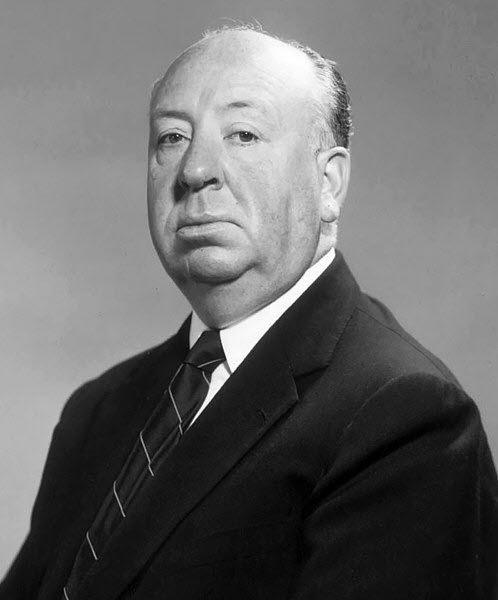
Alfred Hitchcock — The Architect of Suspense
Alfred Hitchcock (1899–1980) stands as one of cinema’s most enduring figures—a director whose mastery of tension and psychological nuance reshaped the language of film. Born in London, he began his career designing title cards for silent films before moving behind the camera, where his fascination with fear, control, and human vulnerability found its perfect medium. Hitchcock’s genius lay not only in what he showed, but in what he withheld—the unseen, the implied, the moment before revelation.
A Lifeline of Vision
Early Foundations: Trained in engineering and art, Hitchcock’s precision and visual discipline became the backbone of his storytelling.
Rise to Mastery: From The 39 Steps to Psycho, his films transformed suspense into art, turning ordinary settings into psychological battlegrounds.
Innovation and Influence: He pioneered techniques that defined modern thrillers—subjective camera angles, silent tension, and the manipulation of audience expectation.
Legacy: His influence extends beyond cinema; he taught generations how fear could be elegant, how control could be cinematic, and how silence could speak louder than dialogue.
The Role in This Photograph
In this portrait, Hitchcock appears as he often did—composed, deliberate, and inscrutable. The formal suit and steady gaze evoke the persona he cultivated both on and off screen: the director as observer, orchestrator, and provocateur. His expression carries the weight of authority and irony, the same duality that shaped his films—where humor and horror coexist, and every frame conceals a secret waiting to be discovered.
This reveal honors the man who turned suspense into poetry, whose control of image and emotion made audiences complicit in their own unease—a legacy that continues to echo through every shadow cast on the silver screen.