
The Grudge — Episode 6 The Back Door of Death
The Grudge — The Rivalry Between Sir Arthur Conan Doyle and Harry Houdini
The rivalry at the heart of this story emerged from a shared fascination with the unknown. What began as admiration and mutual respect between two of the most recognizable figures of their age gradually evolved into disagreement, resistance, and a divide so profound that it would come to define the final chapter of their relationship.
Their story is not simply about a celebrated author and a world-famous illusionist crossing paths—it is about how belief, skepticism, and the search for truth transformed friendship into conflict. As public interest in spiritualism, séances, and life beyond death spread across the world, the questions they pursued together led them toward opposing conclusions neither was willing to abandon.
This is the grudge that captivated audiences on both sides of the Atlantic, fueled debate about faith and evidence, and left a legacy shaped as much by their disagreement as by the imagination, curiosity, and influence that first brought them together.
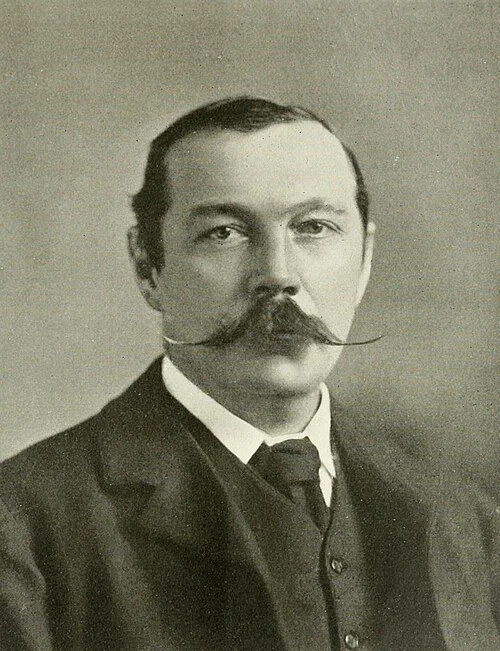
Sir Arthur Conan Doyle portrait: Courtesy Wikimedia Commons (Public Domain).
Sir Arthur Conan Doyle
1859–1930
Author • Physician • Spiritualist • Creator of Sherlock Holmes
Sir Arthur Conan Doyle remains one of the most influential literary figures of the modern era. Best known as the creator of Sherlock Holmes, Doyle built his reputation on logic, observation, and reason—qualities embodied in the detective who became one of fiction's most enduring characters. Yet beyond his literary achievements, Doyle's interests extended far beyond the world of crime and deduction.
In later life, Doyle became an outspoken advocate for spiritualism, convinced that evidence existed for communication beyond death. Following the personal losses and upheavals of the early twentieth century, he devoted considerable energy to promoting spiritualist beliefs through lectures, writings, and public appearances. The convictions that brought him comfort would ultimately place him on a collision course with one of the world's most famous skeptics, transforming an unlikely friendship into one of history's most fascinating rivalries.
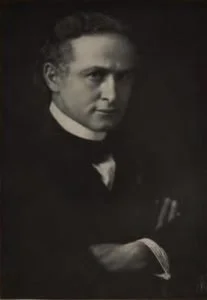
Portrait of Harry Houdini. Courtesy of Wikimedia Commons (Public Domain).
Harry Houdini
1874–1926
Illusionist • Escape Artist • Skeptic • Cultural Icon
Harry Houdini rose from modest beginnings to become one of the most celebrated performers of the twentieth century. Renowned for his seemingly impossible escapes, Houdini transformed stage magic into a global phenomenon, captivating audiences with feats that tested the limits of endurance, ingenuity, and human will. His name became synonymous with mystery and spectacle, securing a legacy that endures more than a century after his death.
Beyond the stage, Houdini was equally committed to exposing fraudulent mediums and deceptive spiritualist practices. While fascinated by the possibility of life beyond death, he demanded evidence and remained deeply skeptical of those who claimed supernatural powers. This relentless pursuit of truth would ultimately bring him into conflict with Sir Arthur Conan Doyle, whose spiritualist convictions stood in stark contrast to Houdini's insistence on proof. Their disagreement evolved into one of the most compelling intellectual and personal rivalries of the modern age.