
The Grudge — Episode 11 Faith, Power and Betrayal
The Grudge — The Rivalry Between Malcom X and Elijah Muhammad
The conflict at the center of this chapter emerged not from personal grievance alone, but from a collision between spiritual authority and rising influence. One figure shaped a movement through discipline, devotion, and the belief that unity required unquestioned control. The other carried a voice sharpened by experience, conviction, and a growing clarity that truth could not remain confined. What began as guidance from a distance slowly hardened into a struggle over direction, loyalty, and who held the right to define the future of the faith they shared.
Their story is not simply about a devoted follower and a revered leader. It is about how belief, fear, and competing visions of purpose can turn mentorship into surveillance and admiration into threat. As one voice reached wider audiences and internal pressure intensified, the principles they embodied began to clash: revelation against restraint, evolution against tradition, conviction against hierarchy. Each decision carried consequences, pulling both toward positions that would shape their legacies long after the break between them became irreversible.
This is the grudge that transformed a private fracture into a defining battle over power, devotion, and who has the right to speak for a community. It left a legacy marked not only by separation and consequence, but by the enduring force of a voice that refused to be contained.
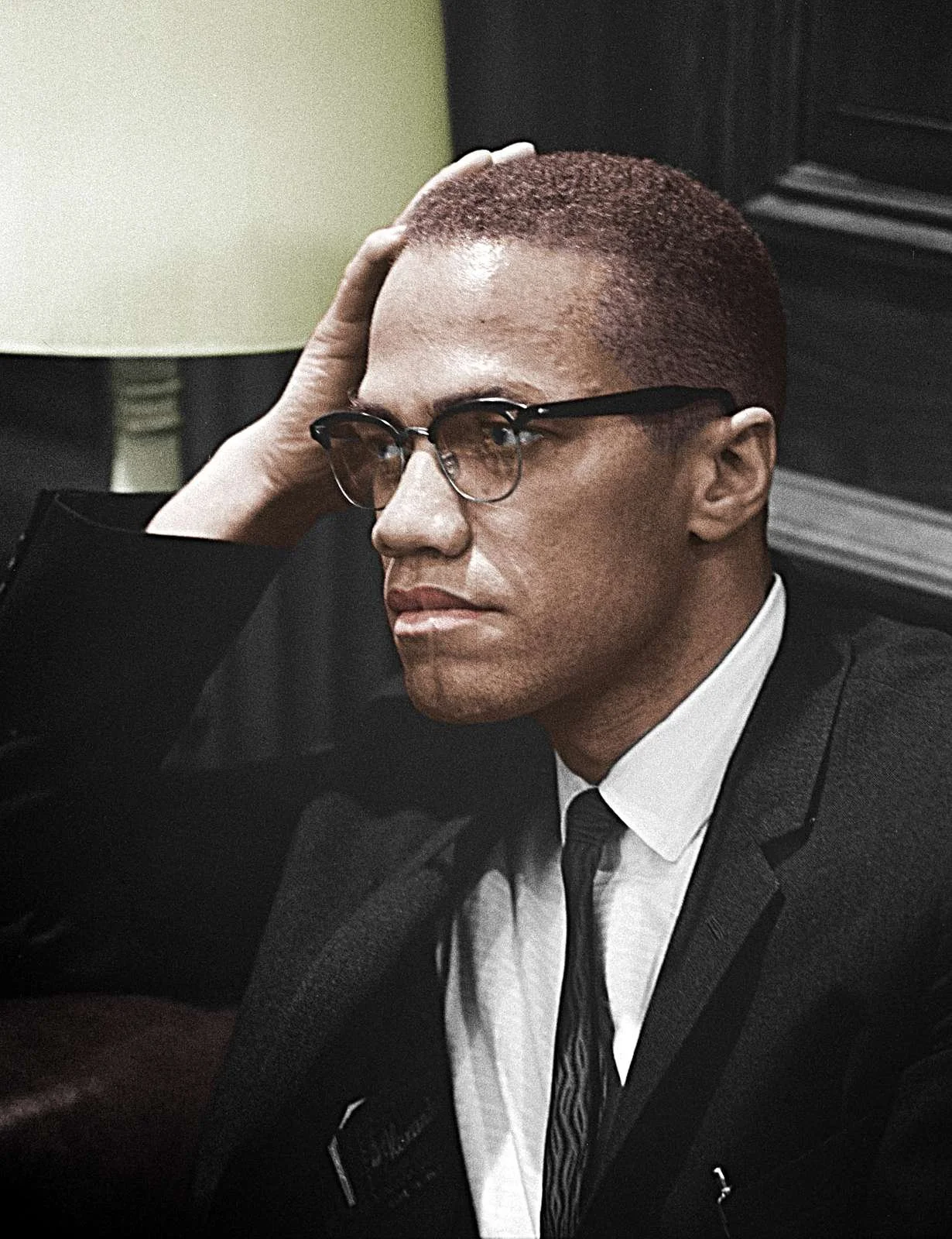
Malcolm X: A Life Reforged by Truth
Malcolm X was born Malcolm Little on May 19, 1925, in Omaha, Nebraska, into a world already shaped by racial terror, resistance, and the fragile hope carried by Black families seeking dignity in a country determined to deny it. His early years were marked by upheaval—his father’s death under suspicious circumstances, his mother’s institutionalization, and the scattering of his siblings across foster homes. These wounds did not define him, but they carved the contours of a mind that refused to accept the stories others told about his worth.
In his youth, Malcolm drifted toward the margins of society, navigating the streets of Boston and Harlem with sharp intelligence and restless ambition. That path led to his arrest and imprisonment in 1946—a moment that would become the crucible of his transformation. Behind bars, he encountered teachings that reshaped his understanding of identity, discipline, and purpose. He emerged not simply rehabilitated, but reborn, carrying a voice that fused personal revelation with fierce clarity about the conditions facing Black Americans.
From the moment he stepped back into the world, Malcolm became a force impossible to ignore. His oratory was electric—precise, unflinching, and rooted in a lifetime of lived truth. He spoke not to soothe, but to awaken. His presence drew crowds, challenged institutions, and unsettled those who preferred quiet over confrontation. He became a national figure whose influence stretched far beyond the walls of any organization, inspiring those who saw in him a model of courage, discipline, and uncompromising honesty.
Yet Malcolm’s journey was not static. His pilgrimage to Mecca in 1964 expanded his vision, widening his understanding of solidarity and human rights. He returned with a renewed commitment to global justice, determined to build bridges that transcended borders, ideologies, and divisions. His evolution was not a departure from his earlier convictions, but an expansion—proof that growth is itself a form of resistance.
On February 21, 1965, Malcolm X was assassinated while preparing to address a crowd in the Audubon Ballroom in New York City. His death silenced his voice, but not his impact. The ideas he carried—about truth, dignity, liberation, and the courage to evolve—continue to echo across generations.
Malcolm X’s legacy is not merely historical; it is living. It is found in every demand for justice, every refusal to accept imposed limits, every insistence that truth must be spoken even when the cost is high. His life remains a testament to transformation—how a man shaped by hardship became one of the most powerful voices of the 20th century.
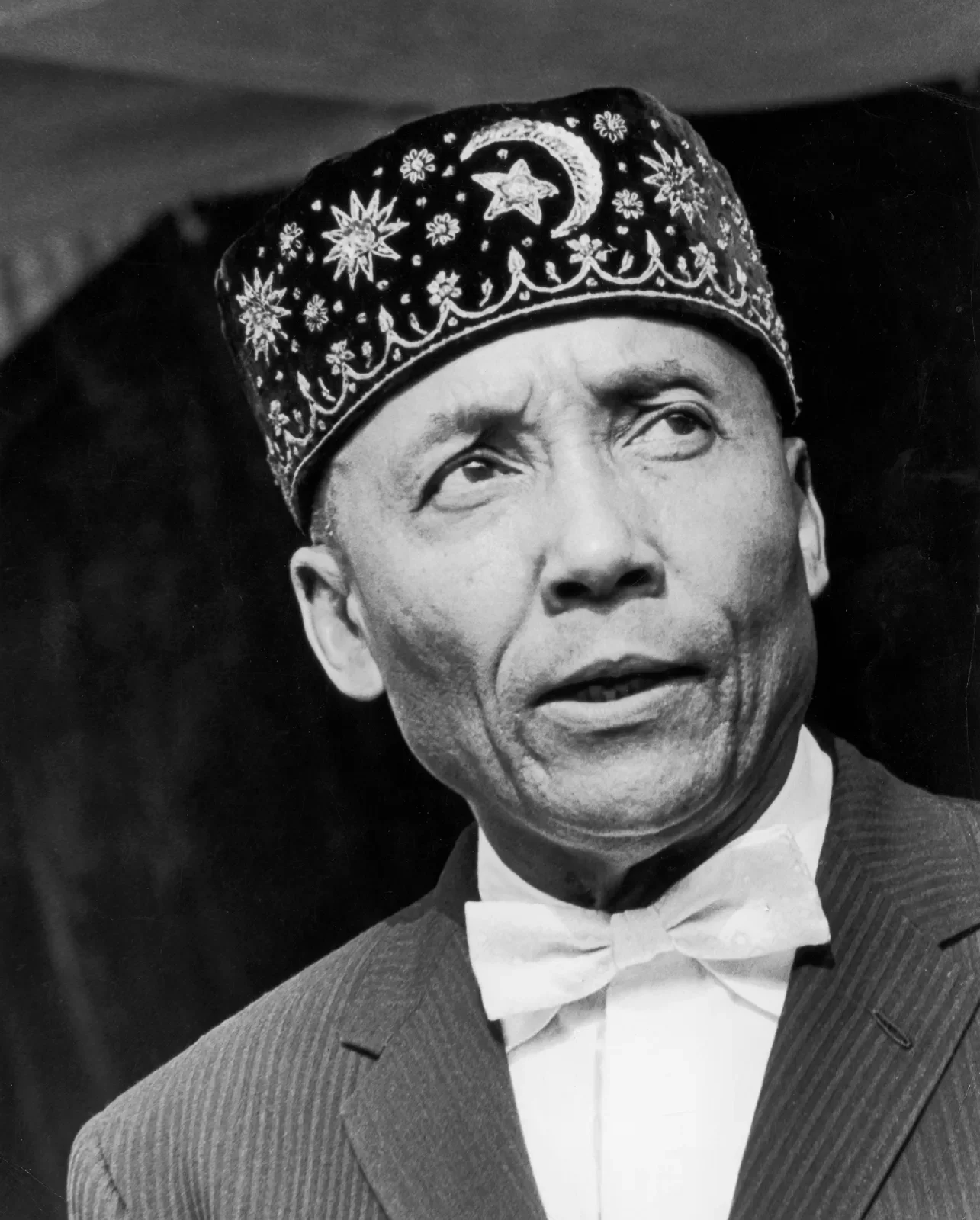
Elijah Muhammad: The Architect of a Movement
Elijah Muhammad was born Elijah Robert Poole on October 7, 1897, in Sandersville, Georgia, into a world defined by poverty, racial terror, and the unyielding constraints placed on Black life in the Jim Crow South. The son of sharecroppers, he grew up witnessing the brutal realities of a system designed to suppress ambition and erase possibility. These early experiences shaped a resolve that would later fuel one of the most influential—and controversial—religious movements of the 20th century.
After migrating north during the Great Migration, he settled in Detroit, where he encountered teachings that offered a radically different vision of identity, discipline, and collective uplift for Black Americans. In those ideas, he found not only spiritual purpose but a blueprint for transformation. Rising from student to leader, Elijah Muhammad became the central architect of a movement that emphasized self-reliance, moral rigor, and the reclamation of dignity in a country that persistently denied it.
Under his leadership, the movement expanded from small gatherings into a national force. He built institutions—schools, businesses, farms, publications—designed to cultivate independence and reshape the narrative of Black possibility. His message resonated with those seeking structure, pride, and a clear path toward empowerment. His authority, both spiritual and organizational, became the foundation upon which the movement stood.
Yet Elijah Muhammad’s legacy is inseparable from the tensions that emerged as the movement grew. His leadership demanded loyalty, discipline, and adherence to a strict hierarchy. As new voices rose—voices charismatic enough to draw national attention—the balance between guidance and control became increasingly fragile. The strain between tradition and evolution, between centralized authority and expanding influence, would ultimately reshape the movement’s future and leave a lasting imprint on American history.
Elijah Muhammad died on February 25, 1975, in Chicago, leaving behind a legacy both monumental and complex. He was a leader who built a structure strong enough to elevate thousands, yet rigid enough to fracture under the weight of competing visions. His impact endures in the institutions he shaped, the communities he uplifted, and the generations who continue to wrestle with the questions he raised about identity, power, and spiritual purpose.
Elijah Muhammad’s life remains a testament to the force of belief—how conviction, discipline, and leadership can transform a people’s sense of themselves, and how the pursuit of authority can both build and strain the foundations of a movement.