
The Day the Depths Trembled: A Hidden Crisis Below the Surface
Episode 24: The Day the Depths Trembled— Vasily Arkhipov
This archive gathers the world that shaped a moment when the fate of millions narrowed to a single decision made far below the surface. Here you’ll encounter traces of work carried out in confinement and quiet—logs, signals, and fragments of presence inside a vessel built for secrecy, holding steady while the world above moved unaware. Each piece offers a glimpse into the routines of vigilance, the uncredited calculations, and the steady conviction that catastrophe could be held back by clarity in the darkest conditions.
These materials do not seek to elevate a myth. They reveal the grain of a crisis lived under pressure and protocol: the alarms, the orders, the silent debates, the risks that deepened with every rising degree and every misread signal. Together, they form a ledger of restraint in a moment that asked everything and promised nothing, yet still altered the course of history in ways almost lost to the depths.
Move through these records with care. Let the silence speak through what remains.
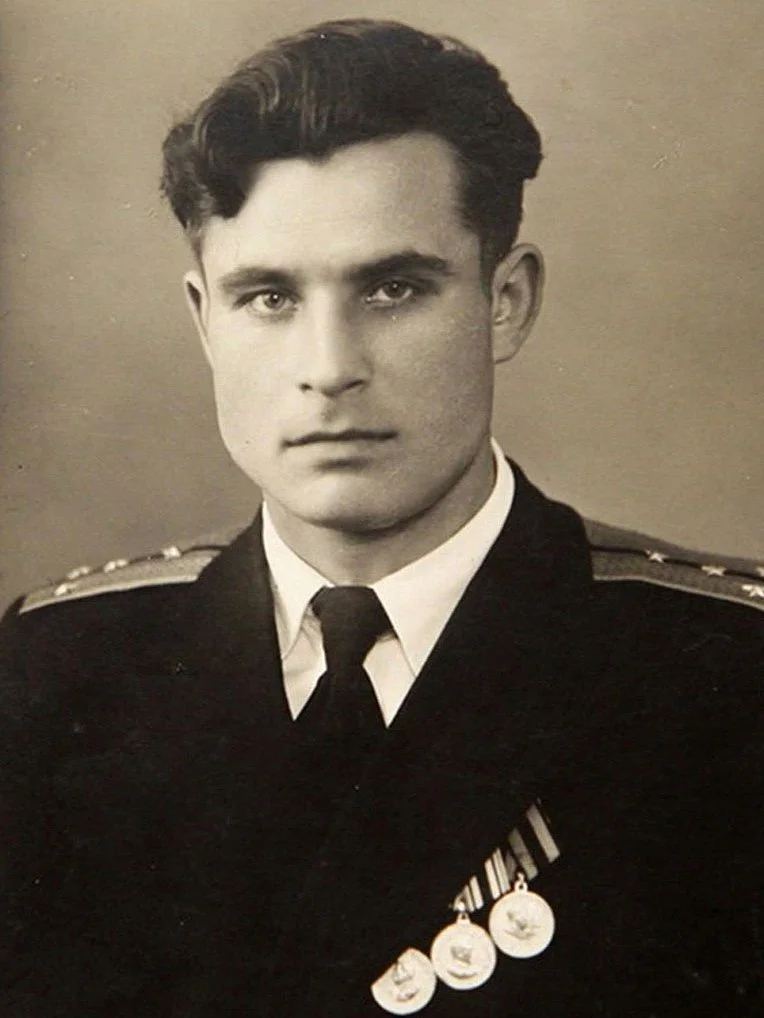
Vasily Arkhipov (1926–1998)
Officer of the Soviet Navy • Foxtrot‑Class Submarine Service • Cuban Missile Crisis
During the Cuban Missile Crisis of 1962, Arkhipov served aboard a Foxtrot‑class submarine operating under extreme pressure, navigating not only the physical strain of depth, heat, and limited communication, but also the geopolitical tension unfolding above. These vessels carried nuclear‑armed torpedoes, and their crews were trained to respond to perceived threats with precision, even when information was incomplete or conditions were deteriorating.
Arkhipov’s presence inside that vessel—forced to the brink by U.S. Navy forces enforcing the quarantine line—became a pivotal moment in Cold War history. In a chamber where alarms, exhaustion, and uncertainty converged, a single act of restraint prevented a nuclear escalation that could have reshaped the century. This image stands as a record of the weight carried in silence, the expectations embedded in service, and the narrow margin on which history sometimes turns.
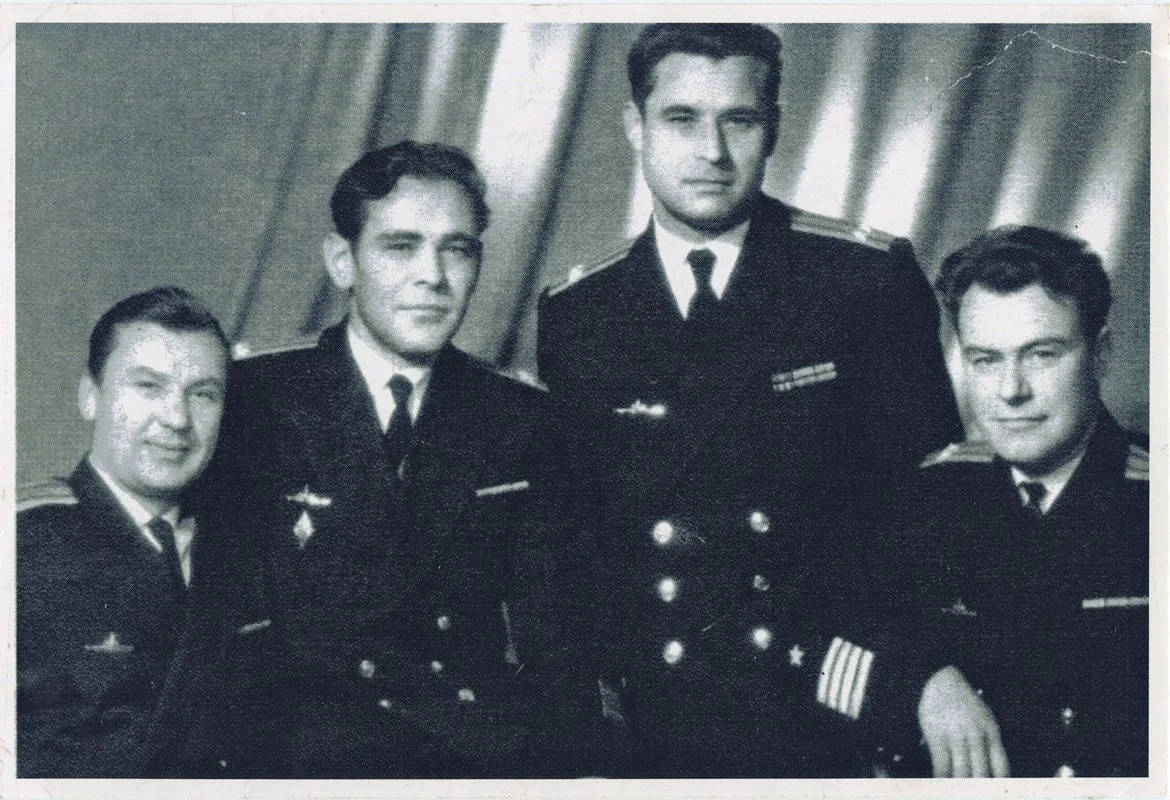
This photograph shows a group of Soviet naval officers whose service intersected with the high‑pressure submarine operations of the early Cold War. Vasily Arkhipov, third from the left, served among them—part of the command structure aboard Foxtrot‑class vessels operating under strict protocol, limited communication, and constant geopolitical tension. Images like this one offer a rare glimpse into the collective discipline and quiet vigilance that shaped the decisions made far below the surface.
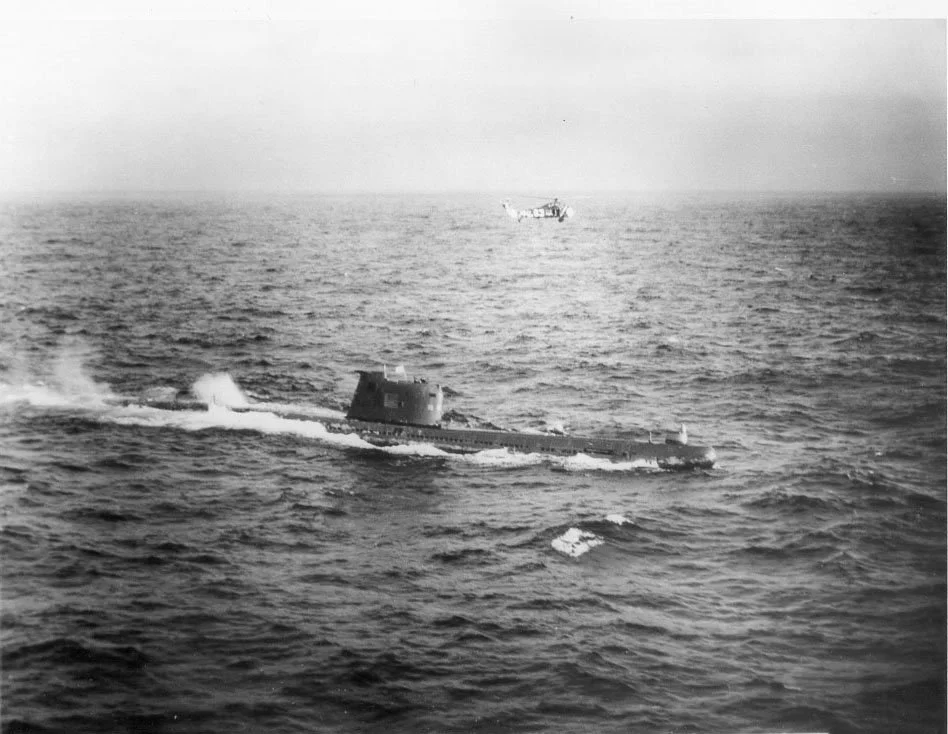
This image documents the tense naval encounters that unfolded during the Cuban Missile Crisis, when U.S. forces tracked and pressured Soviet submarines operating near the quarantine line. Scenes like this—aircraft hovering low over a surfaced vessel—reflect the conditions faced by the crews of Foxtrot‑class submarines, including the one aboard which Vasily Arkhipov served. These moments of forced surfacing, heat stress, and limited communication formed the backdrop to decisions made under extraordinary strain, decisions that would quietly alter the course of the crisis.
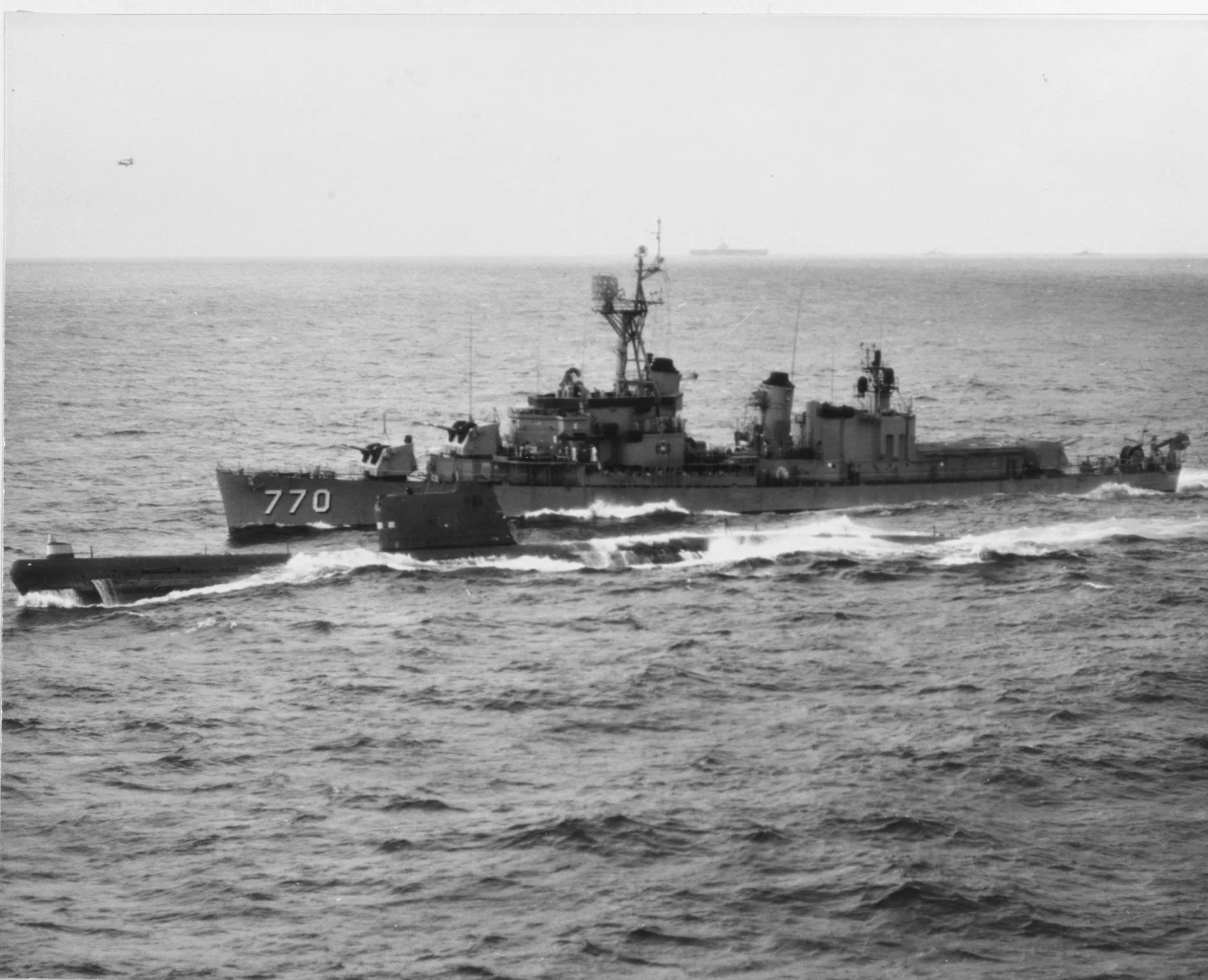
This image shows Foxtrot‑class submarine B‑59 operating under close watch during the Cuban Missile Crisis, with U.S. naval forces maintaining pressure along the quarantine line. Scenes like this reflect the conditions faced by the crew—forced surfacing’s, rising heat, and escalating signals from above. It was within this environment that Vasily Arkhipov’s restraint aboard B‑59 helped prevent the crisis from tipping into nuclear conflict.