
The Invisible Equation: A Legacy Written in Code
Episode 13 Anchored in Absence— Annie Easley
Long before the first image settles into view, before the circuitry of her world begins to take shape, we enter the quiet brilliance of a woman who helped usher NASA into a new era. What follows is not a simple chronology, but a restoration — a constellation of surviving photographs, computational notes, and engineering echoes that together reveal Annie Easley, the mind who bridged the divide between human calculation and the dawn of digital code.
As you move through this story, you’ll encounter the early machines she mastered, the algorithms she refined, and the unmistakable imprint of a presence that refused to be sidelined. Each artifact stands as evidence of Easley’s command of a discipline she was never expected to inhabit, her determination to learn the language of emerging technology, and her steady resolve to keep missions advancing when recognition rarely followed her work.
This is the unveiling. Not of a figure tucked behind the console, but of the architect within the code — the guiding force who strengthened systems, steadied trajectories, and carried the future forward with a precision the era never fully acknowledged.
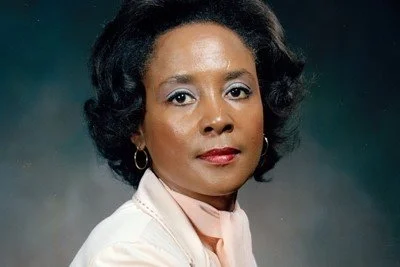
Annie Easley (1933–2011)
A mathematician, computer scientist, and barrier‑breaking engineer, Annie Easley helped build the computational foundation of modern rocketry and energy research at NASA. Beginning as a “human computer” in 1955, she became a key contributor to the algorithms behind the Centaur rocket program and a pioneer in the transition from hand calculations to digital code.
Her work powered missions, advanced propulsion systems, and opened doors for generations who followed — even when her own contributions went uncredited. This portrait stands as a reminder of the precision, discipline, and resolve that defined her career and reshaped the possibilities of aerospace engineering.
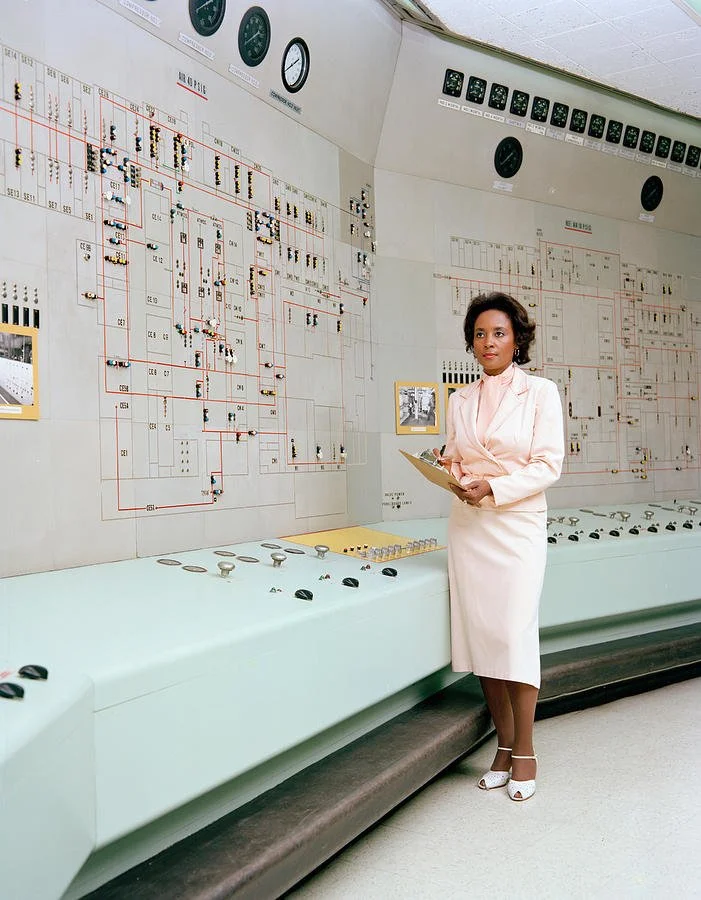
This photograph captures Annie Easley during her tenure at NASA’s Lewis Research Center, where she worked as a mathematician, computer programmer, and engineer from 1955 to 1989. Easley began her career as a “human computer,” performing complex calculations by hand before transitioning into software development as digital systems emerged.
Her work contributed directly to the Centaur rocket program, energy‑conversion research, and early computational methods that shaped modern aerospace engineering. The control‑panel environment shown here reflects the technical systems she helped analyze, model, and optimize — work that strengthened mission reliability and advanced propulsion technology across decades of NASA innovation.
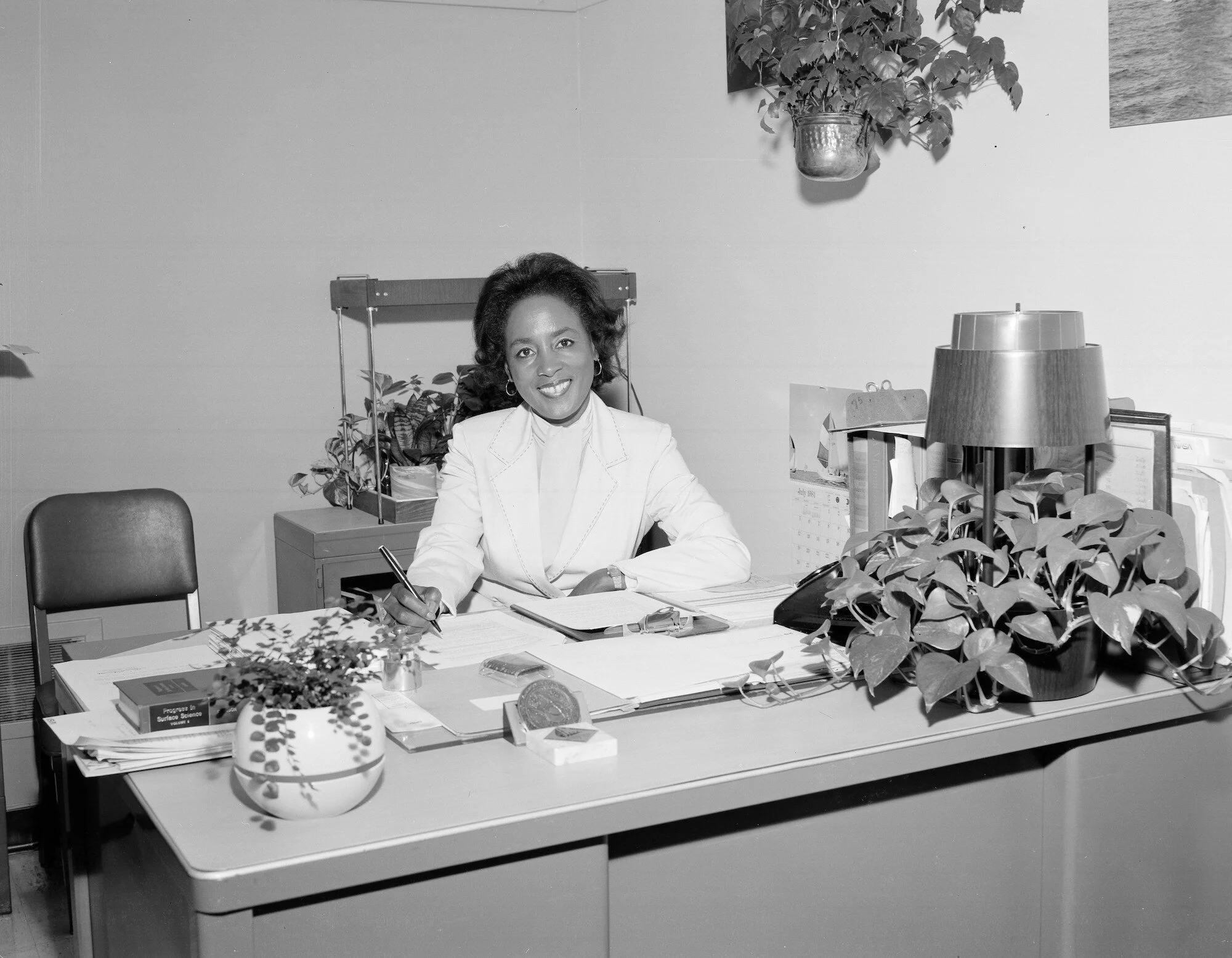
Annie Easley spent more than three decades at NASA’s Lewis Research Center, evolving from a “human computer” into a leading programmer and engineer. This later‑career photograph reflects her role as a mentor, advocate, and technical expert — someone who shaped both the code behind major research programs and the workplace culture around her. Beyond her engineering contributions, Easley championed equal opportunity, tutoring students, guiding new hires, and helping expand access to STEM careers for future generations.
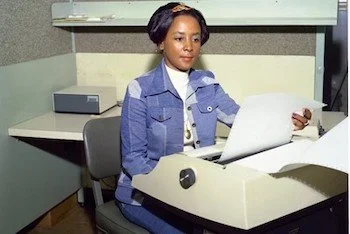
In this moment, Annie Easley is seated at the front edge of a technological shift — one of the programmers who helped move NASA from hand‑calculated equations to the early era of digital computing. Her work at terminals like this supported propulsion research, energy‑conversion studies, and the Centaur rocket program, where her code refined trajectories and strengthened mission reliability.
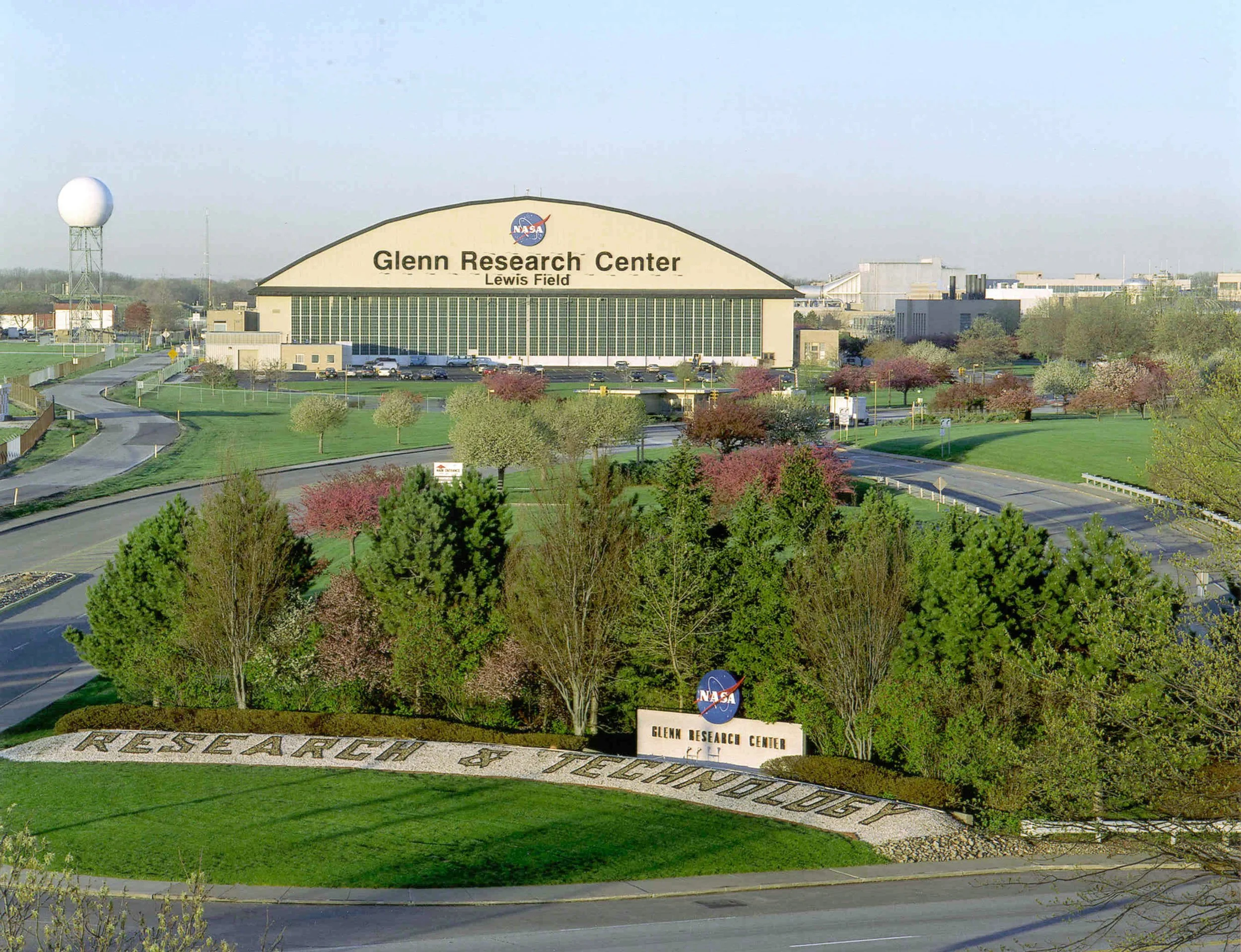
Annie Easley (1933–2011): The Unwritten Tribute
History left no monument to her name, but the work she carried forward remains woven into the fabric of this place. The rockets she steadied, the systems she refined, the opportunities she opened — these are the memorials she left behind. This space honors what the world overlooked.