
Sworn and Suppressed: A Hidden Pioneer of American Law
Episode 18: Sworn and Suppressed — Charlotte E. Ray
Long before the first oath was spoken aloud, before the weight of a statute book or the hush of a courtroom began to take shape, we enter the disciplined brilliance of a legal mind that forged possibility from a world determined to deny its presence. What follows is not a simple chronology, but a restoration — a constellation of petitions, arguments, and deliberate acts of advocacy that together reveal a thinker who carried justice in their hands, defied exclusion, and reshaped a profession that offered little space for such authority.
As you move through this story, you’ll encounter the cases argued against expectation, the strategies rendered with unwavering intention, and the unmistakable imprint of a presence that refused erasure. Each surviving record stands as evidence of a command of the law they were never expected to master, a determination to translate inequity into action, and a steady resolve to let the work speak when recognition rarely followed their name.
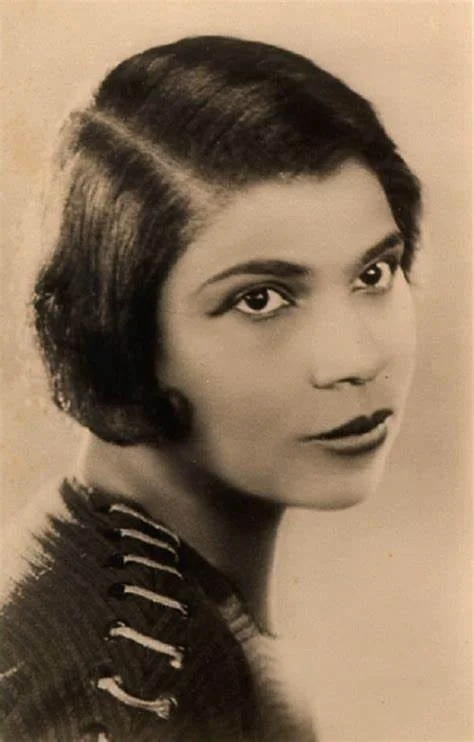
Charlotte E. Ray — (
1850–1911)
This image marks the first chapter of a life defined by study, resolve, and a refusal to accept the boundaries drawn around her. From these early years would emerge a legal mind that challenged precedent itself. Her lifeline stretches from this quiet beginning to a moment in history when she stepped into the bar and rewrote what was possible.
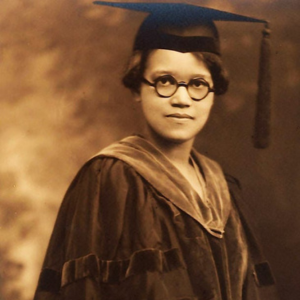
Captured here is the starting point of a life that would stretch far beyond the expectations of the era. In this moment, the world still saw only a student in borrowed space — someone permitted to learn, but never meant to lead. Yet from these early academic steps emerged a legal pioneer whose presence would challenge the boundaries of a profession built to exclude them.
The regalia marks achievement, but the deeper story lives in the discipline behind it: the long hours of study, the mastery of a curriculum few believed they could navigate, and the quiet certainty that education could become a lever against injustice. This is where the lifeline begins — in determination sharpened by constraint, in ambition shaped by the limits surrounding it, in the steady belief that knowledge could carve open a space where none existed.
What follows from this moment is a legacy that continues to resist erasure: a brief but groundbreaking legal career, a lifetime of advocacy, and a path that widened the doorway for those who would come after. The photograph holds only a single chapter, but the life it represents reverberates far beyond the frame.
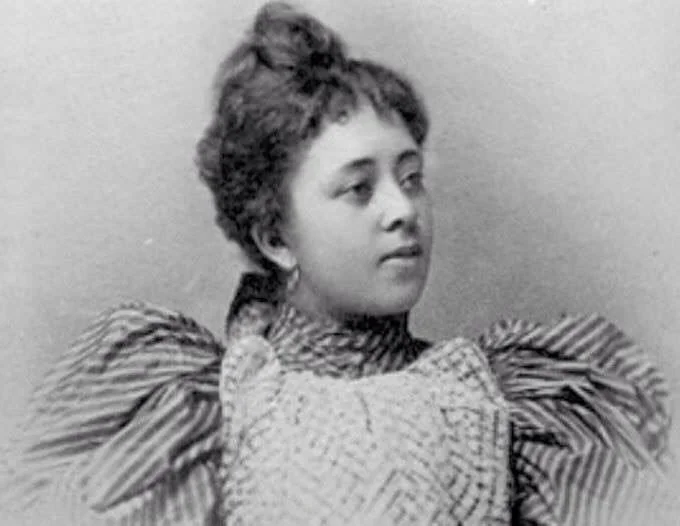
Charlotte E. Ray stands here in the quiet strength history tried to set aside — a presence shaped by study, sharpened by exclusion, and steadied by a conviction the world was not prepared to meet. In the turn of her gaze lives the cost of being first, and the courage required to step into a profession that refused to see her.
What remains is more than a portrait. It is the echo of a life lived against the grain of her era, a testament to the discipline that carried her from the margins into the record, and a reminder that even when recognition faltered, her legacy did not.
Her work opened a door she was never meant to touch. Her name endures because she walked through it anyway.