
Pressed into Silence: Hidden Histories of Invention
Episode 7: Pressed Into Form — The Hidden Genius of Sarah Boone
Before the fabric is folded, before the silence of obscurity presses its weight upon the seam, we invite you into the resonance of a legacy nearly forgotten. What follows is not a patent number, but a reclamation — a constellation of surviving fragments that together reveal Sarah Boone, the 19th‑century inventor whose refinement of the ironing board offered both utility and quiet defiance in a world that sought to diminish her.
As you scroll, you’ll encounter designs and echoes, where Boone’s vision smoothed the creases of history — each artifact a portal into her ingenuity, resilience, and the cultural offering of a Black woman whose work reshaped domestic life while resisting erasure.
This is the full reveal. Not just of an invention, but of an offering carried forward.
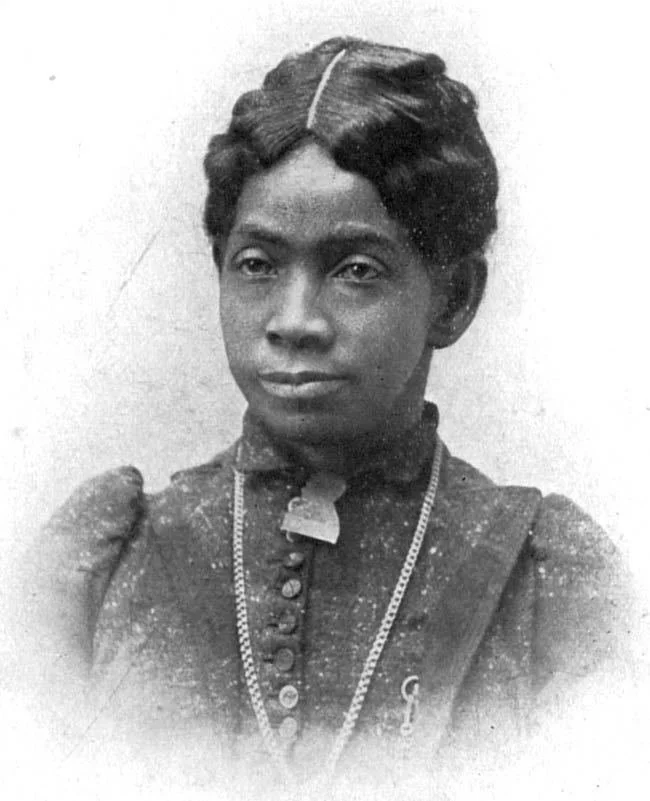
Sarah Boone (1832–1904), African American inventor and dressmaker
Her 1892 patent for an improved ironing board refined the pressing of sleeves and bodices, offering both utility and quiet defiance in a world that sought to diminish her. Boone’s design transformed domestic labor into an act of ingenuity, ensuring garments carried the mark of precision and care.
Discoverability-focused narrative:
Innovation remembered: Boone’s ironing board patent (U.S. Patent No. 473,653) remains a cornerstone of household invention.
Hidden histories revealed: As one of the first African American women to secure a U.S. patent, her work challenges the silence that often surrounds Black inventors.
Cultural offering: Boone’s refinement was more than technical — it was a gesture of resilience, a contribution that continues to shape everyday life.
Legacy carried forward: Her story stands as part of a broader movement to honor overlooked voices in invention and history.
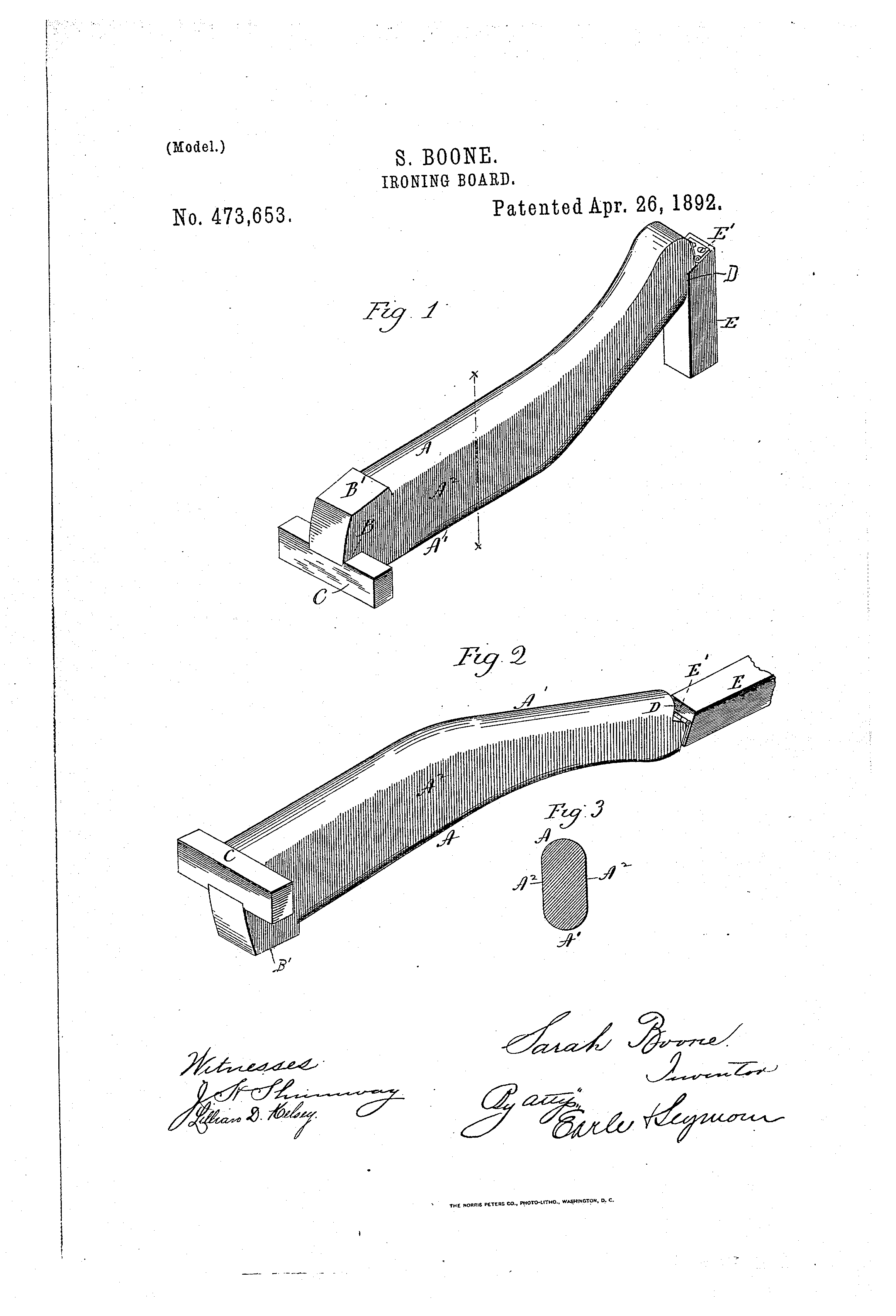
Patent Drawing: Sarah Boone’s Ironing Board (1892) This image presents the original patent drawing submitted by Sarah Boone, an African American inventor and dressmaker, on April 26, 1892. Her design — U.S. Patent No. 473,653 — refined the ironing board to better accommodate sleeves and fitted garments, a breakthrough for tailoring and domestic care.
Boone’s invention was more than mechanical; it was a quiet act of resistance. In a time when Black women’s contributions were routinely dismissed, she offered a tool of precision and dignity, reshaping the labor of care into a legacy of innovation.
Each labeled figure in the drawing — A, B, C, D, E — marks the contours of her vision. The curved board, the collapsible frame, the attention to garment shape: all speak to a mind attuned to both form and function.
Scarcity as Testament
No authenticated photographs of Sarah Boone are known to exist. What remains are her words through the patent record and the contours of her invention — U.S. Patent No. 473,653, granted in 1892. This absence is itself a reminder of how many Black women’s contributions were obscured or erased from the visual archive.
What we hold onto, then, are the fragments: the drawing of her ironing board, the testimony of her ingenuity, and the enduring presence of her offering. Boone’s legacy is not diminished by the scarcity of images; it is amplified by the persistence of her invention, pressed into history despite silence.