
The Breath Between the Worlds
Episode 2: The Healing Begins with Dr. Susan La Flesche Picotte
Before the stethoscope touches the heart, before the walls of her hospital rise from the prairie, we invite you into the quiet resolve of a life devoted to care. What follows is not a gallery, but a restoration — a sequence of surviving fragments that together reveal Dr. Susan La Flesche Picotte, the first Native American woman to earn a medical degree in the United States.
As you scroll, you’ll encounter photographs of her hospital, letters of advocacy, and echoes of her tireless service to the Omaha people — each image a portal into Picotte’s vision, compassion, and the cultural defiance of late 19th-century Native resilience.
This is the full reveal. Not just of a physician, but of a movement toward healing, sovereignty, and dignity.
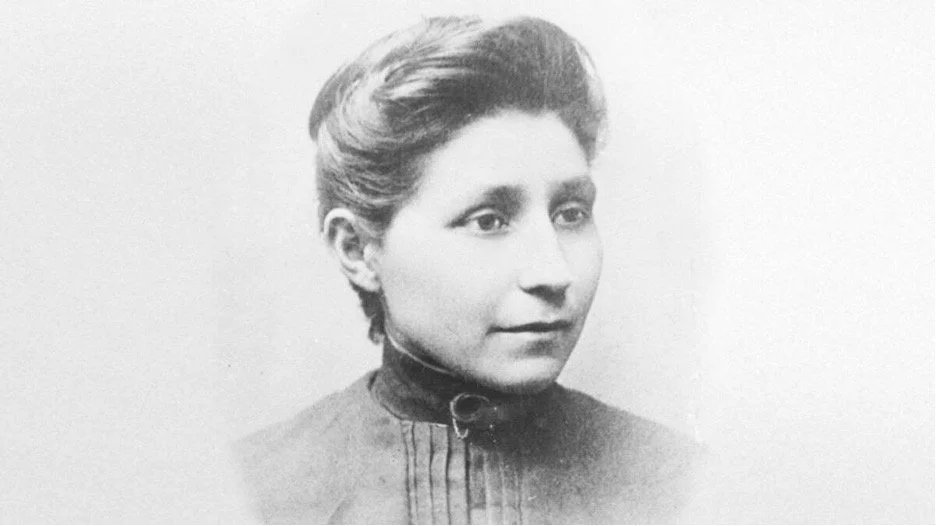
Dr. Susan La Flesche Picotte (1865–1915) This portrait captures Dr. Susan La Flesche Picotte, the first Native American woman to earn a medical degree in the United States. Educated at the Woman’s Medical College of Pennsylvania, she returned to the Omaha Reservation to provide care across cultural and geographic boundaries.
Her work extended beyond clinical practice: she advocated for public health, land rights, and the construction of a hospital in Walthill, Nebraska — a facility she helped fund and design, which opened in 1913.
This image stands as a visual record of a physician, reformer, and community leader whose legacy continues to shape Indigenous healthcare and representation.
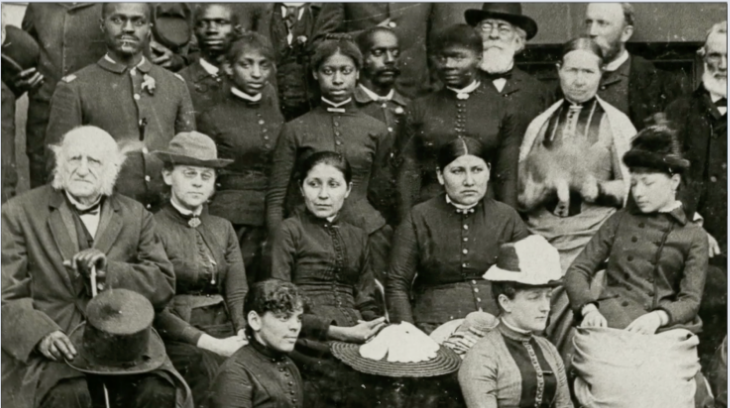
Dr. Susan La Flesche Picotte Among Colleagues and Community Members, c. Late 19th Century This photograph includes Dr. Susan La Flesche Picotte, seated among a diverse group in what appears to be a formal institutional setting. As the first Native American woman to earn a medical degree in the United States, Picotte’s presence in such gatherings reflects her dual role as physician and advocate — bridging cultural divides while advancing public health and Indigenous sovereignty.
Images like this offer rare documentation of Native professionals within predominantly Western institutions. The attire and composition suggest a moment of recognition or collaboration, possibly tied to her work on the Omaha Reservation or her efforts to establish the hospital in Walthill, Nebraska.
This image stands as a testament to Picotte’s leadership and the broader movement of Indigenous women navigating — and reshaping — the structures of American medicine and policy.
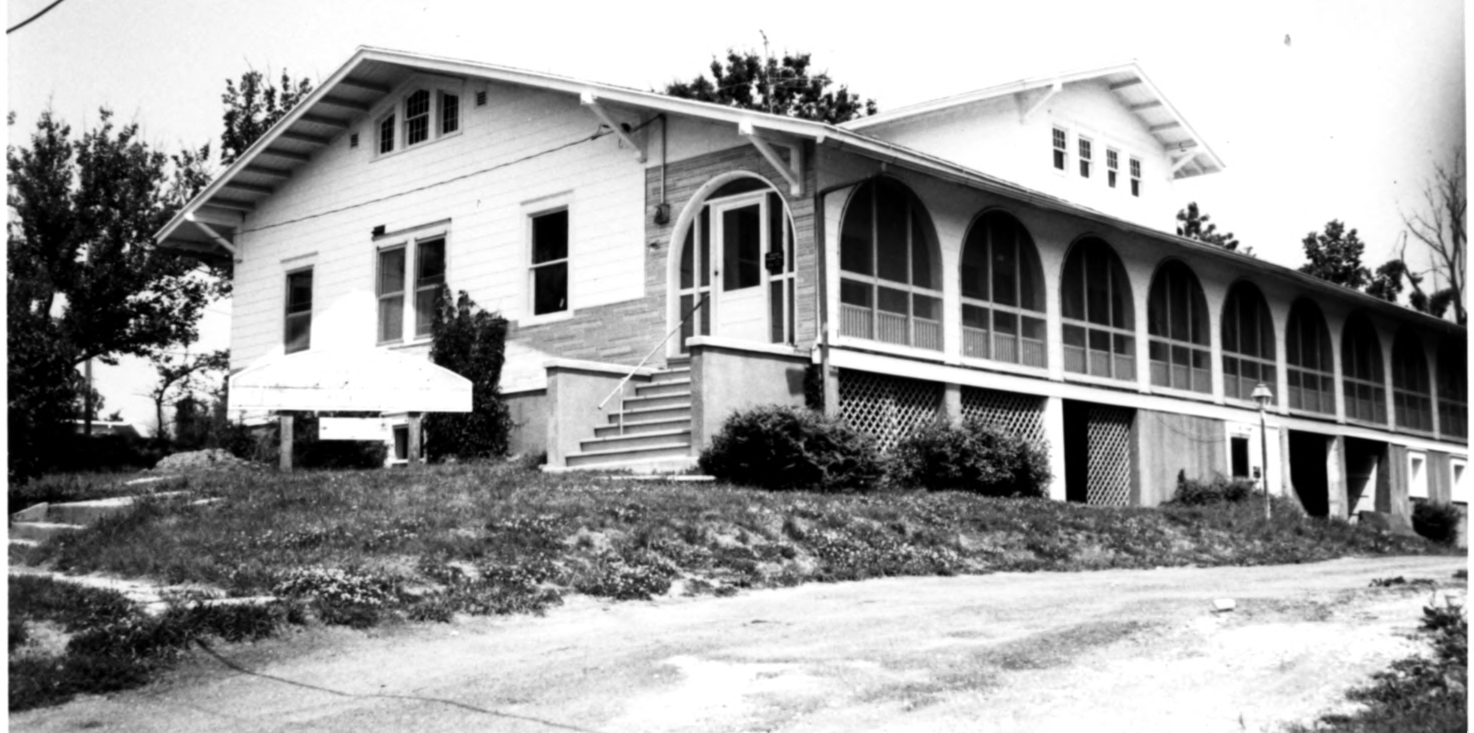
Dr. Susan La Flesche Picotte Memorial Hospital, Walthill, Nebraska (c. 1913) Built under the leadership of Dr. Picotte, this was the first hospital in the United States founded and operated by a Native American woman. It served the Omaha community and stands as a lasting symbol of Indigenous medical advocacy and public health reform.
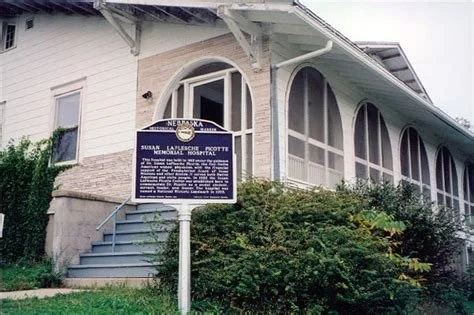
Enduring Legacy: Dr. Susan La Flesche Picotte Memorial Hospital Photographed in color more than a century after its founding, the hospital remains a visible testament to Dr. Picotte’s pioneering work in Indigenous healthcare. Built in 1912, it was the first hospital in the United States established and operated by a Native American woman.
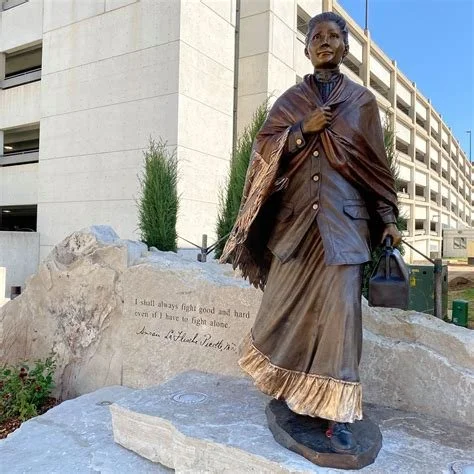
Dr. Susan La Flesche Picotte Bronze Statue, Lincoln, Nebraska The bronze figure of Dr. Picotte strides forward with her medical bag, embodying her role as healer and advocate. Beside her, the inscription reads:
“I will always fight good and hard, even if I have to fight alone.”
This declaration anchors the monument in her lived reality — a physician navigating systemic barriers, often without allies, yet never abandoning her people. The statue and words together preserve her legacy as the first Native American woman to earn a medical degree, reminding us that her fight for Indigenous healthcare was both solitary and enduring, and that its impact continues to resonate today.
This bronze statue of Dr. Susan La Flesche Picotte stands on Centennial Mall in Lincoln, Nebraska, honoring her legacy as the first Native American woman to earn a medical degree in the United States.
Statue Details
Sculptor: Benjamin Victor, a nationally recognized artist known for monumental works of historical figures.
Unveiled: October 11, 2021 (Indigenous Peoples’ Day).
Location: Centennial Mall, Lincoln, Nebraska.
Depiction: Dr. Picotte is shown in traditional Omaha attire, walking forward with her medical bag in hand — symbolizing her role as healer and advocate.
Symbolism: The limestone base and surrounding native plants connect her legacy to the land and community she served.
Historical Context: The unveiling ceremony included representatives from all Nebraska tribes, underscoring her impact as the first Native American woman physician and her enduring role in Indigenous healthcare and sovereignty.