
Curtain Without Applause
Episode 1: The Curtain Rises on James Hewlett
Before the scroll unfurls, before the footlights catch his silhouette, we invite you into the quiet majesty of a legacy nearly lost. What follows is not a gallery, but a reclamation — a sequence of surviving fragments that together reveal James Hewlett, the first known Black American Shakespearean actor.
As you scroll, you’ll encounter engraved portraits, benefit playbills, and theatrical echoes from the African Grove Theatre — each image a portal into Hewlett’s artistry, ambition, and the cultural defiance of early 19th-century Black performance.
This is the full reveal. Not just of a man, but of a movement.
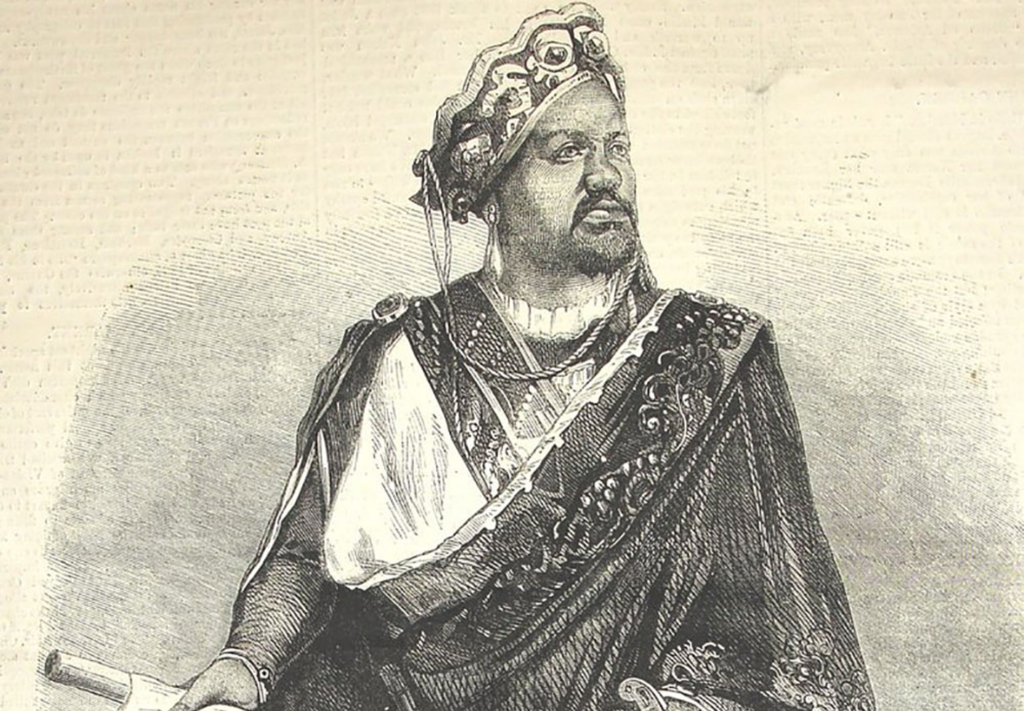
James Hewlett as Richard III, circa 1821–1831 This engraving, based on a sketch by Parisen and engraved by I. Scoles, captures James Hewlett in his celebrated portrayal of Richard III. Hewlett was a leading figure at the African Grove Theatre in New York City, the first known Black theatre company in the United States, founded in 1821. His performances of Shakespearean roles—especially Richard III—challenged racial boundaries and asserted the artistic agency of Black actors in the early 19th century. This portrait, created sometime between 1821 and 1831, stands as a rare visual testament to Hewlett’s theatrical legacy and the cultural significance of the African Grove.
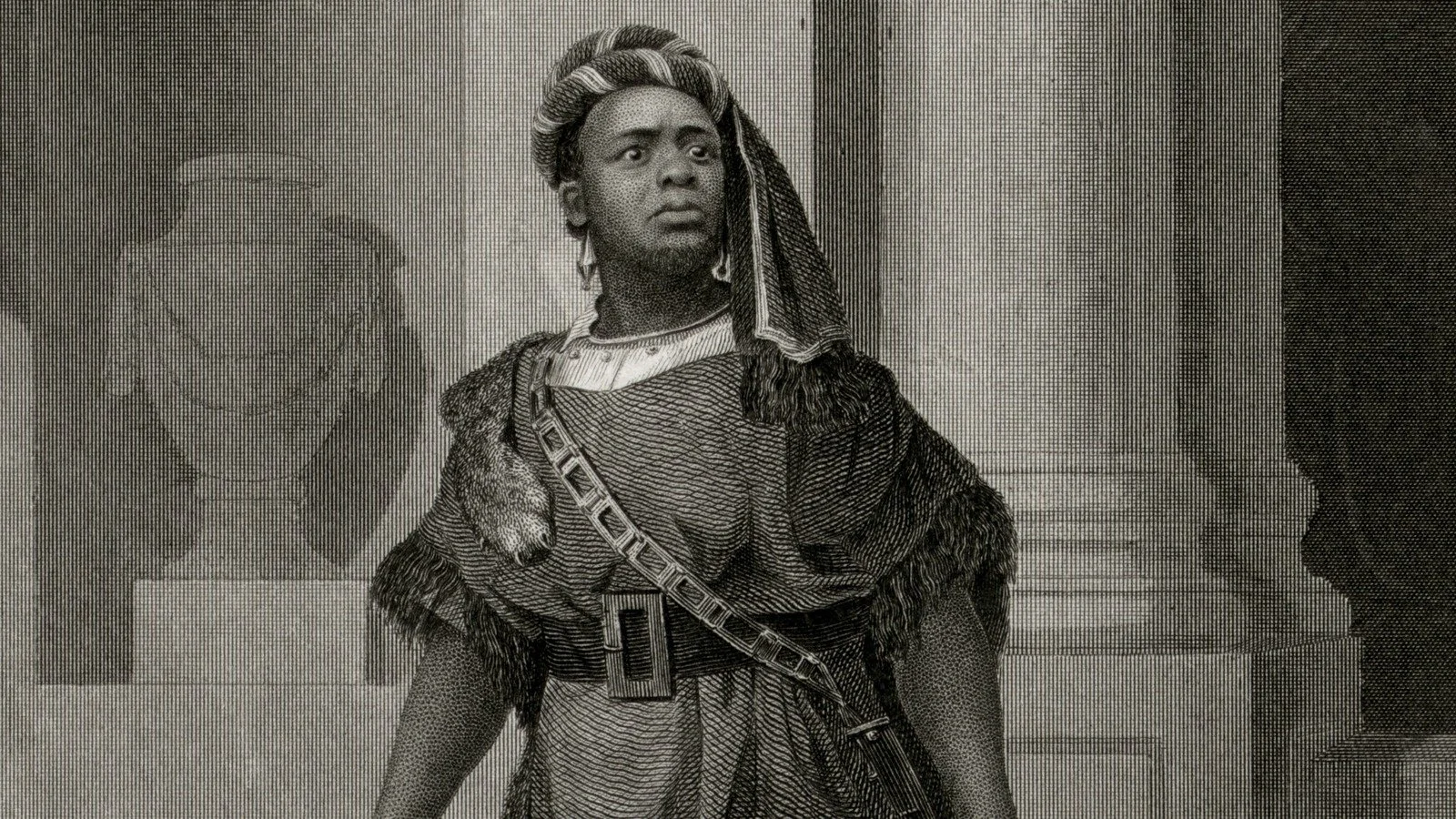
James Hewlett in Theatrical Costume, circa 1821–1831 This engraving likely depicts James Hewlett, the African Grove Theatre’s leading actor, in one of his Shakespearean roles. The classical backdrop and dramatic attire reflect the gravitas of early 19th-century Black performance. Hewlett was renowned for his portrayals of Richard III and Othello, asserting Black artistic excellence in a racially segregated theatrical world. Created during the height of Hewlett’s career, this image stands as a rare visual testament to his legacy and the cultural ambition of the African Grove.
James Hewlett was the first known Black American Shakespearean actor, active in New York City during the early 19th century. He performed with the African Company (also called the African Grove Theatre), founded in 1821 by William Henry Brown. Hewlett’s portrayals of Shakespearean characters—especially Richard III and Othello—were groundbreaking, asserting Black artistic presence in a racially segregated theatrical landscape.
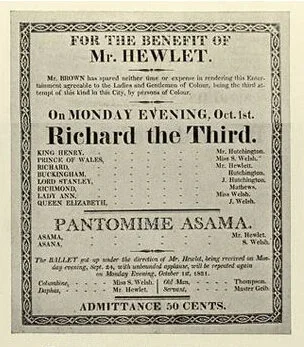
Benefit Performance for James Hewlett, October 1st, circa 1820s This rare playbill announces a landmark evening of theatre “by persons of Colour,” featuring James Hewlett in Richard III. Produced by William Henry Brown, founder of the African Grove Theatre, the event included Shakespeare, pantomime (Asama), and ballet — all under Hewlett’s direction. The language of the broadside reflects both the pride and urgency of the moment: a declaration of Black artistic excellence in a segregated cultural landscape.

James Hewlett as Richard III, 1826 This hand-colored engraving, created by E. Baker from a sketch by Barrow, captures James Hewlett in his celebrated portrayal of Richard III. The caption — “in imitation of Mr. Kean” — references Edmund Kean, a renowned British actor of the era, underscoring Hewlett’s ambition and artistry. The quote “Off with his head — so much for Buckingham” from Act 3, Scene 2, evokes Hewlett’s command of Shakespearean drama. Produced in 1826, this image stands as one of the few surviving visual tributes to Hewlett’s legacy as the first known Black American Shakespearean actor.