
The Making of a Villain — Part IV
The Making of a Villain — Part IV: Empress Wu— Architect of the New Dynasty (A Limited Series)
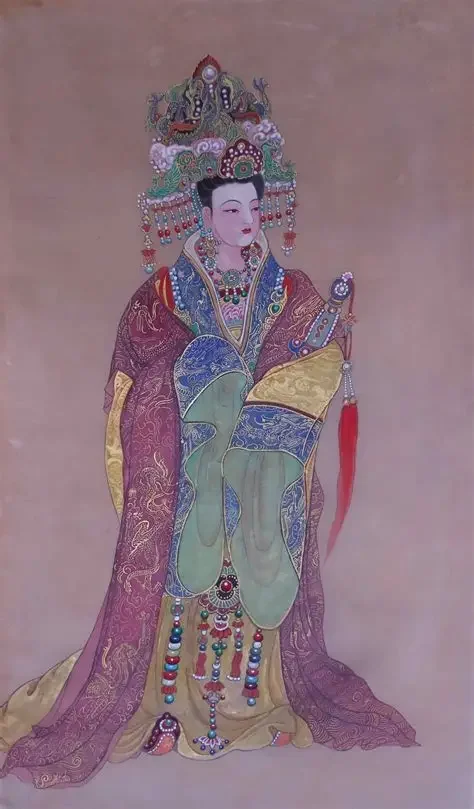
Empress Wu (624–705 CE)
A note on the image: While not a confirmed likeness, this depiction reflects the era shaped by the figure’s life and rule.
This image reflects the ceremonial world of the Tang court, where authority was expressed through ritual, symbolism, and the visual language of imperial power. Though no confirmed contemporary portrait survives, representations like this one evoke the environment in which the figure lived and ruled.
Born in 624 CE and raised in a family that valued education, the figure entered the palace young and navigated a political world defined by rivalry, succession, and shifting alliances. By the mid‑660s, they had become the central force behind state administration, guiding reforms that expanded the civil service examinations and opened government roles to those outside the hereditary elite.
In 690 CE, the figure established a new dynasty and presided over a period of stability, economic growth, and cultural flourishing. After their abdication and death in 705 CE, later chroniclers—loyal to the restored order—reshaped the narrative of the reign, emphasizing scandal and ambition over governance and reform. The result is a legacy both monumental and contested, shaped as much by those who recorded it as by the life itself.
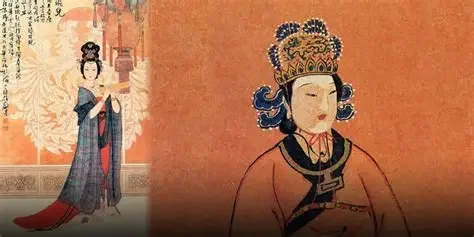
A period depiction inspired by the era Empress Wu transformed.
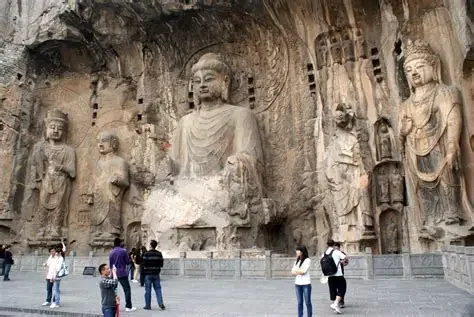
Commissioned during the reign of Empress Wu (624–705 CE), the Longmen Grottoes stand as one of the most enduring artistic projects shaped by her rule.
Carved during the height of the Tang dynasty, the Longmen Grottoes stand as one of the most enduring monuments shaped by this figure’s reign—an era when Buddhist art, statecraft, and political authority became deeply intertwined. This site remains one of the clearest surviving expressions of the world they transformed.