
The Grudge — Episode 4 A Path to a Divide
The Grudge Series — The Rivalry Between Robert Falcon Scott and Roald Amundsen
The rivalry at the center of this story is one of the most defining divides in the history of exploration. What began as parallel ambition—two men driven toward the same unforgiving frontier—slowly hardened into contrast, competition, and a separation so deep it reshaped the narrative of polar discovery itself.
Their story is not just about two expedition leaders who set out toward the same destination—it is about how preparation, temperament, and the shifting expectations of their era turned determination into tension, and tension into a conflict that refused to fade. The triumph each pursued carried them into global legend, but the rift between them left a mark just as enduring.
This is the grudge that captivated generations, fueled debate across continents, and created a legacy defined as much by their divide as by the brilliance and daring that first set them on their paths.
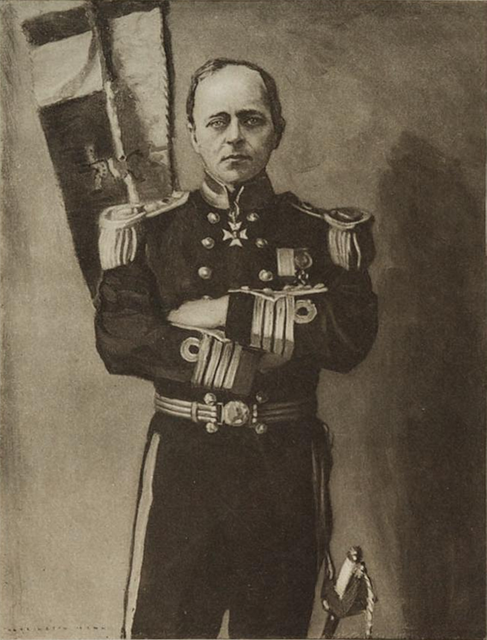
Robert Falcon Scott — Born: 6 June 1868 Died: 29 March 1912
Robert Falcon Scott emerged from the disciplined world of the Royal Navy, where precision, hierarchy, and duty shaped both his character and his ambitions. Rising through the ranks as a naval officer, he became part of a generation captivated by the last blank spaces on the world’s map — and by the belief that national honor could be carried on ice, wind, and endurance.
Scott’s early career was marked by steady advancement and a reputation for methodical leadership. When the opportunity arose to lead Britain’s push into Antarctica, he stepped into a role that demanded not only navigational skill but the ability to command men in conditions few had ever survived. His approach to exploration reflected the values of his era: discipline over improvisation, tradition over experimentation, and a deep conviction that perseverance itself was a form of victory.
Scott led two major Antarctic expeditions: the Discovery Expedition (1901–1904) and the Terra Nova Expedition (1910–1913). The first established him as a central figure in Britain’s polar ambitions, yielding scientific discoveries and hard‑won experience in the world’s most unforgiving environment.
The second — the Terra Nova Expedition — became the defining chapter of his legacy. Determined to reach the South Pole, Scott and his team pushed across the Ross Ice Shelf, up the Beardmore Glacier, and onto the polar plateau. They reached the Pole in January 1912, only to find that another party had arrived before them. The return journey, marked by exhaustion, starvation, and brutal weather, claimed the lives of Scott and his companions. His final diary entries, composed in a tent buried by snow, transformed the expedition into one of the most enduring stories of courage, tragedy, and national mythmaking.
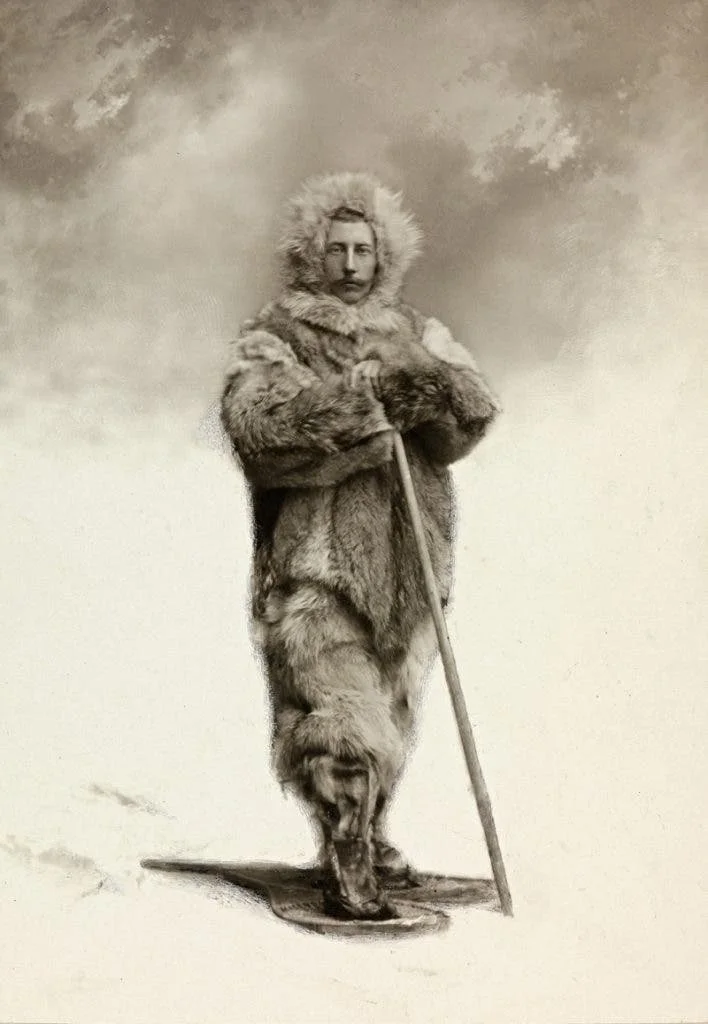
Roald Amundsen — Born: 16 July 1872 Died: c. 18 June 1928
Roald Amundsen emerged from a maritime nation shaped by cold seas, long winters, and a cultural reverence for practical skill. Born in Norway, he grew into a navigator whose instincts were sharpened not by tradition but by adaptation — a man who believed survival depended on learning from those who had mastered the environment long before Europeans charted it.
Amundsen’s early career was defined by restless ambition and a willingness to break from convention. He studied the techniques of Inuit hunters, embraced dog‑sled travel, and prioritized efficiency over ceremony. Where others saw the polar regions as a stage for national prestige, Amundsen saw a technical challenge: a place where success belonged to those who understood the land rather than those who sought to conquer it through sheer will.
His reputation grew through a series of bold ventures — including the first successful navigation of the Northwest Passage — each reinforcing his belief that preparation, observation, and humility before nature were the true foundations of exploration.
Amundsen’s most defining achievement came with his 1910–1912 Antarctic expedition, undertaken aboard the Fram. Originally planning a journey to the Arctic, he secretly redirected his mission south, aiming for the one prize that remained unclaimed: the South Pole.
Establishing his base at the Bay of Whales, Amundsen relied on dog teams, lightweight sledges, and a meticulously planned route across the Axel Heiberg Glacier. His team moved with speed and precision, reaching the South Pole on 14 December 1911, becoming the first humans in history to stand at the planet’s southernmost point.
The return journey was equally efficient, marked by careful rationing, strong morale, and the absence of major injury — a stark contrast to the fate of the British party that followed. Amundsen’s success became a symbol of strategic mastery, reshaping global perceptions of polar exploration and cementing his legacy as one of the most capable expedition leaders of the modern age.